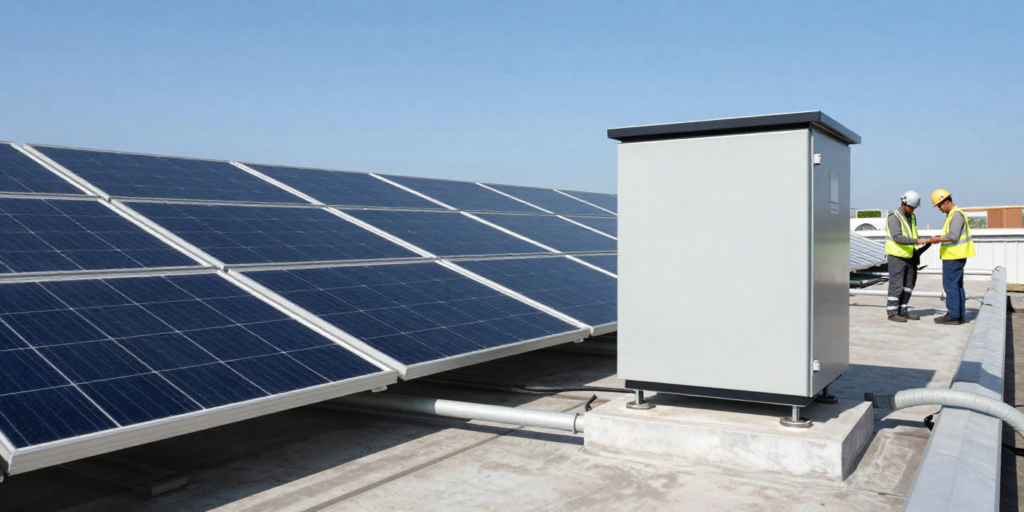

Solar energy is one of the fastest-growing sources of electricity in the world. At the heart of this transformation is solar technology, which allows sunlight to be converted into usable electrical power. Understanding how it works helps explain why it is reliable, sustainable, and essential for the future of clean energy. A standard solar power system includes solar panels, inverters, electrical wiring, and sometimes battery storage.
What Is Solar Energy?
Solar energy is the radiant energy produced by the sun. Inside the sun’s core, energy is generated through nuclear fusion, where hydrogen atoms combine to form helium, releasing massive amounts of energy. This energy travels through space and reaches Earth as sunlight. It captures this natural energy and converts it into electricity that can be used for daily needs.
Main Components of Solar Technology
Solar panels are devices designed to capture sunlight. Each panel consists of multiple solar cells connected together and enclosed in a protective frame. Most solar panels are made from crystalline silicon, a material well suited for absorbing sunlight.
Solar Cells (Photovoltaic Cells)
Solar cells, also known as photovoltaic cells, are semiconductor devices that convert sunlight into electricity. Silicon is the most commonly used material because of its electrical properties.
When sunlight strikes a solar cell, it triggers the photovoltaic effect. Energy from sunlight frees electrons within the silicon material, causing them to move. This movement of electrons generates an electrical current in the form of direct current (DC) electricity, which is the basic output of solar technology.
Inverter
Solar panels produce DC electricity, but most household appliances and power grids operate using alternating current (AC) electricity.
An inverter converts DC electricity into AC electricity, making it compatible with standard electrical systems. Without an inverter, electricity generated by it could not be used in homes or businesses. Modern inverters also help regulate voltage and improve overall system efficiency.
Battery Storage (Energy Storage Systems)
Battery storage systems store excess electricity produced by solar panels during the day. This stored energy can be used at night, during cloudy periods, or during power outages.
Most solar battery systems use lithium-ion batteries due to their high efficiency and long lifespan. While batteries increase energy reliability and independence, they also add to the overall cost of a system.
Step-by-Step Process of How Solar Technology Works
Step 1 – Absorption of Sunlight by Solar Panels
The process begins when sunlight reaches the solar panels. The panels absorb photons, which are particles of light energy. This energy is transferred to the solar cells inside the panels.
Step 2 – Generation of Electrical Charge
When photons reach the silicon solar cells, they excite electrons within the material. These electrons break free and start moving. The movement of electrons creates an electrical current, producing DC electricity.
Step 3 – Conversion of DC to AC Electricity
The DC electricity flows from the solar panels to the inverter. The inverter converts DC electricity into AC electricity, matching the voltage and frequency used by household appliances and the power grid.
Step 4 – Distribution of Electricity
After conversion, AC electricity flows through the building’s electrical panel. From there, electricity is distributed to lights, appliances, and other devices. Solar-generated electricity is typically used first before drawing power from the grid.
Step 5 – Energy Storage or Grid Export
If the system generates more electricity than needed, the excess energy can be stored in batteries. If no batteries are installed, the extra electricity is sent to the power grid. In many regions, net metering programs allow users to earn credits for the electricity they export.
Types of Solar Technology
Photovoltaic it converts sunlight directly into electricity using solar cells. It is the most widely used type of it and is common in residential, commercial, and utility-scale systems.
Solar Thermal Technology
Solar thermal technology uses sunlight to produce heat instead of electricity. This heat is commonly used for water heating and space heating in homes and commercial buildings.
Concentrated Solar Power (CSP)
Concentrated Solar Power systems use mirrors or lenses to focus sunlight onto a single point. The concentrated heat is used to generate steam, which drives turbines to produce electricity. CSP is mainly used in large-scale power plants.
Advantages of Solar Technology
It is a renewable and sustainable energy source. It reduces greenhouse gas emissions, has low operating and maintenance costs, and decreases dependence on fossil fuels. Over time, it can also lower electricity bills and improve energy security.
Limitations of SolarTechnology
Solar technology depends on sunlight availability, meaning energy production can vary with weather and time of day. The initial installation cost can be high, especially when battery storage is included. Adequate installation space is also required for solar panels.
Applications of SolarTechnology

It is used in many applications, including residential electricity generation, commercial and industrial systems, utility-scale solar power plants, and remote or off-grid locations where traditional electricity infrastructure is unavailable.
Future of SolarTechnology
The future of it is promising. Advances in materials and design are increasing panel efficiency, while installation and battery costs continue to decline. The expansion of smart grids, energy storage systems, and global renewable energy policies is driving widespread adoption worldwide.
Lastly,
Solar technology converts sunlight into usable electricity through proven scientific processes. From solar panels and photovoltaic cells to inverters and battery systems, each component plays a vital role. As technology advances and adoption grows, I will remain a key solution for clean, reliable, and sustainable energy.
FAQs
What is solar technology?
It refers to systems that convert sunlight into usable electricity using photovoltaic cells and related components.
How does it generate electricity?
It works by using sunlight to excite electrons in solar cells, producing direct current (DC) electricity that is later converted to AC.
Can It work without direct sunlight?
Solar technology can still generate electricity on cloudy days, but power output is reduced compared to direct sunlight conditions.
Is it environmentally friendly?
Yes, it produces clean energy without emitting greenhouse gases during electricity generation.
What is the lifespan of its system?
Most it systems, especially solar panels, last 25–30 years with proper maintenance.