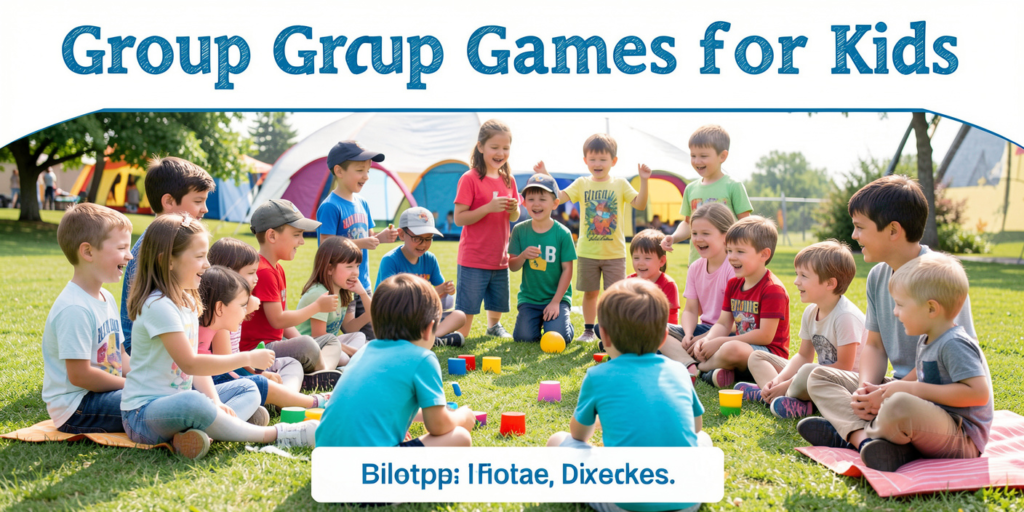

Group games for kids are a fun and exciting way for children to stay active while learning important social skills. These games help kids develop teamwork, creativity, and communication as they play together. Indoor group games are perfect for rainy days or limited spaces, while outdoor group games encourage physical activity and adventure. From classic games like musical chairs to creative DIY challenges, there’s something for every age and interest..
Why Group Games Are Important for Kids
It is more than just a way to have fun—they play a vital role in childhood development. When children play together, they learn how to communicate, negotiate rules, and solve problems collaboratively. These experiences help build social skills, emotional intelligence, and confidence.
Playing in groups also helps children form friendships and teaches them the value of teamwork. Children learn to cooperate, take turns, and support each other, which benefits them both during play and in real-life situations.
Benefits of Playing Together: Teamwork, Creativity, and Exercise
Group games for kids provide a combination of physical, social, and mental benefits. Physical games improve motor skills, coordination, and overall fitness. Creative games, such as scavenger hunts or role-playing activities, stimulate imagination and critical thinking.
Additionally, playing in a group encourages teamwork and cooperation. Children learn to work toward common goals, communicate ideas, and develop problem-solving skills—all while having fun and staying active.
Types of Group Games for Kids
Indoor Games vs Outdoor Games
It can be categorized as indoor or outdoor games. Indoor games are perfect for rainy days or limited spaces and often involve problem-solving, creativity, and communication. Examples include charades, treasure hunts, and puzzle races.
Outdoor games, on the other hand, let children use more energy and develop physical skills like running, jumping, and balancing. Games like tag, relay races, and team challenges are ideal for outdoor play and help children build strength and coordination.
Choosing Age-Appropriate Games
Choosing the right it depends on their age and developmental stage. Younger children benefit from simple, safe games that focus on basic movement and social interaction, while older kids can handle more complex rules and strategic play. Age-appropriate games ensure safety, maintain interest, and make the experience enjoyable for everyone.
Best Indoor Group Games for Kids
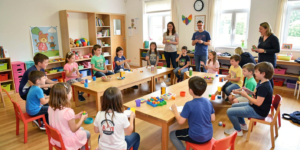
Classic Indoor Games (Musical Chairs, Hide & Seek, Charades)
Classic indoor group games remain favorites because they are simple, fun, and effective at teaching coordination and social skills. Musical chairs, hide and seek, and charades encourage children to be active while interacting with peers. These games can be adapted for different age groups and provide hours of fun for kids at home or school.
Educational and Brain-Boosting Games (Puzzle Races, Word Games, Memory Challenges)
Some indoor group games for kids are designed to challenge the mind. Puzzle races, word games, and memory activities combine fun with cognitive development. These games encourage teamwork, problem-solving, and creative thinking, making them ideal for children who enjoy mental challenges alongside physical activity.
DIY Indoor Games (Treasure Hunts, Obstacle Courses at Home)
DIY indoor games are easy to set up and highly engaging. Treasure hunts or homemade obstacle courses allow children to use their imagination while collaborating with friends. These games also teach planning, decision-making, and teamwork, all within the comfort of a home or classroom.
Best Outdoor Group Games for Kids
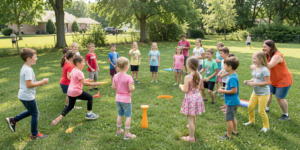
Active Outdoor Games (Tag, Relay Races, Sack Races)
Outdoor group games for kids promote physical fitness and coordination. Tag, relay races, and sack races are classics that get children moving and encourage friendly competition. These games improve speed, balance, and motor skills, while also fostering social interaction among participants.
Teamwork-Focused Games (Tug of War, Parachute Games, Group Challenges)
Games that require teamwork help children learn cooperation and communication. Tug of war, parachute games, and group challenges require children to work together toward a common goal. These activities teach problem-solving, patience, and how to support teammates, making them valuable for social development.
Seasonal Outdoor Games (Water Balloon Fights, Snow Games, Scavenger Hunts)
Seasonal group games keep play exciting throughout the year. Water balloon fights, scavenger hunts, and snow games encourage exploration, creativity, and physical activity. These games provide opportunities for children to bond with friends while adapting to different environments and weather conditions.
Age-Based Game Recommendations
Games for Toddlers (2–4 Years)
Toddlers benefit from simple, supervised group games. Activities like duck-duck-goose or gentle tag help young children develop basic coordination and learn to take turns. These games are perfect for introducing toddlers to group play and building social confidence.
Games for Younger Kids (5–8 Years)
Children aged 5 to 8 enjoy games that involve coordination, simple strategy, and teamwork. Hopscotch, relay races, and group storytelling games are excellent choices. Group Games for Kids activities challenge their abilities while promoting cooperation and problem-solving skills.
Games for Older Kids (9–12 Years)
Older children thrive in group games that combine strategy with physical activity. Capture the flag, human knot, and team challenges are ideal for this age group. These games promote leadership, critical thinking, and advanced teamwork while keeping children engaged and active.
Tips for Organizing Group Games
Organizing group games for kids is easier with clear instructions and defined roles. Dividing children into teams or assigning responsibilities ensures everyone participates and enjoys the activity. Keeping rules simple and consistent helps prevent confusion and keeps the games running smoothly.
Safety Tips for Indoor and Outdoor Play
Safety should always come first. Remove hazards, supervise younger children, and establish clear boundaries for both indoor and outdoor play. For outdoor activities, soft surfaces reduce the risk of injury, and for indoor games, clearing furniture and fragile items keeps the environment safe.
Keeping All Kids Engaged
To keep all children engaged, rotate roles, provide encouragement, and adapt activities to different skill levels. Including quieter or less confident children in leadership roles or special tasks boosts participation and confidence, ensuring that every child enjoys the game.
Final Thoughts
Group games for kids are more than just entertainment—they foster physical fitness, creativity, teamwork, and social skills. From indoor puzzles and charades to outdoor tag and team challenges, these games help children develop holistically.
Regular group play creates joyful memories while building essential skills for life, making it an invaluable part of childhood. Encouraging children to play together helps them grow into confident, cooperative, and active individuals.