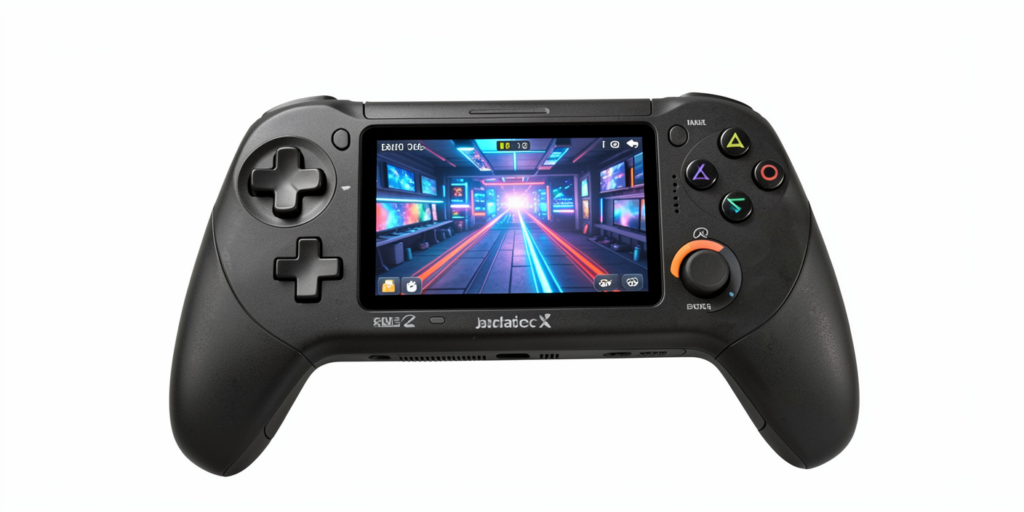

Gaming has evolved into a highly complex and immersive experience, whether on PC or consoles. Behind every smooth gameplay, interactive environment, and dynamic character lies well-structured code. One of the key concepts driving this is Javaobjects Console & PC Gaming, especially in PC and console games developed with Java or Java-based tools. We’ll explore how Javaobjects shape gaming, why they matter, and how they’re used in real-world titles.
Understanding Javaobjects: The Building Blocks of Game Development
At its core, a Java object is a modular unit in Java programming that combines data and behaviors. Think of it as a blueprint for game elements such as characters, items, or environmental objects. Each object contains properties (data) and methods (actions), allowing it to interact with other objects and the game world.
In Javaobjects console & PC gaming, this structure is vital. Games often have hundreds or thousands of entities that need to work independently while interacting seamlessly. Objects help developers keep this complexity manageable and ensure that adding new features doesn’t break existing game logic. By using objects, game developers can focus on creativity rather than repetitive coding.
The Role of Javaobjects in PC Gaming
Javaobjects play a significant role in PC games, particularly in titles built on Java or Java-based frameworks. They allow developers to model everything from player avatars and enemies to in-game items and world elements.
For example, popular games like Minecraft: Java Edition use Javaobjects Console & PC Gaming extensively. Every block, mob, and tool is represented as an object with its own properties and behaviors. This makes the game highly modular and flexible, allowing developers to add new features, fix bugs, and create custom mods easily.
In PC gaming, where configurations and input devices vary widely, Javaobjects help standardize how game elements behave across different systems, ensuring consistent and smooth gameplay.
How Javaobjects Impact Console Gaming
While console games are often developed in languages like C++ for performance reasons, the principles of Javaobjects console & PC gaming still apply. Java objects are used in supporting tools, server logic, or companion applications associated with console titles.
Even if the main game isn’t written entirely in Java, object-oriented design allows developers to organize complex systems efficiently. For instance, developers may use Java objects to handle in-game inventories, character stats, or asset management in tools that feed directly into console game development. This modular approach ensures that gameplay remains seamless, regardless of the platform.
Key Features of Javaobjects That Enhance Gameplay
Javaobjects offer several advantages that directly enhance the gaming experience:
- Reusability: Developers can create an object once and reuse it across multiple game scenarios.
- Modularity: Each object keeps its data and behaviors together, simplifying updates and debugging.
- Scalability: As games grow in complexity, objects allow developers to expand features without rewriting large portions of code.
- Flexibility: Objects can be modified or extended to create new gameplay mechanics or add features, making games more dynamic.
These features ensure that both PC and console games remain maintainable, updatable, and enjoyable for players.
Practical Examples of Javaobjects in Popular Games
The most notable example of Javaobjects console & PC gaming is Minecraft: Java Edition. Each block, tool, and creature in the game is implemented as a Java object, allowing the world to be highly interactive and moddable.
Java-based game engines like libGDX and jMonkeyEngine also rely heavily on objects. These engines allow developers to manage characters, scenes, collisions, and physics using object-oriented principles, making it easier to build games that are complex yet maintainable.
Javaobjects and Game Development Tools
Several tools and frameworks leverage Javaobjects for game development:
- libGDX: A popular framework for 2D and 3D games that allows developers to write Java objects representing game characters, environments, and controls.
- jMonkeyEngine: Focused on 3D game development, this engine enables developers to manage game scenes, physics, and interactions through Java objects.
These tools reduce development time, simplify debugging, and make it easier to create engaging, interactive experiences for both PC and console platforms.
Challenges of Using Javaobjects in Console and PC Gaming
While Javaobjects console & PC gaming are powerful, they come with challenges. Java is not as low-level as languages like C++, which can make very performance-intensive games harder to optimize. Memory management can also be tricky in large games with thousands of objects.
Additionally, console development sometimes requires cross-compiling or adapting Java-based tools to proprietary console hardware. Developers need to carefully balance the flexibility of Javaobjects with performance considerations to ensure smooth gameplay.
Tips for Aspiring Developers Using Javaobjects in Game Projects
For beginners interested in using Javaobjects console & PC gaming, here are a few practical tips:
- Start Small: Build simple games with a few objects to understand object interactions.
- Plan Your Objects: Design classes and objects carefully to avoid messy or redundant code.
- Use Frameworks: Engines like libGDX or jMonkeyEngine simplify object management and game logic.
- Optimize Performance: Monitor memory usage and avoid creating unnecessary objects in loops or high-frequency processes.
- Experiment with Modding: Studying popular Java games like Minecraft can help you understand how objects are structured in real projects.
Following these tips will help aspiring developers create structured, scalable, and efficient game projects.
The Future of Javaobjects in Console and PC Gaming

The future of Javaobjects console & PC gaming looks promising, particularly in indie games, educational tools, and cross-platform projects. Java’s object-oriented principles provide flexibility that adapts to new platforms and technologies, including cloud gaming, virtual reality, and AI-driven game mechanics.
Even as consoles evolve and hardware demands increase, object-oriented design remains a core strategy for organizing complex game systems. Developers can continue to create modular, scalable, and maintainable code that powers immersive gameplay experiences.
Lastly, Why Javaobjects Matter for Gamers and Developers
In Javaobjects console & PC gaming, Java objects aren’t just pieces of code — they are the building blocks that bring games to life. From managing dynamic characters to enabling modular game worlds, Javaobjects allow developers to craft complex, engaging, and interactive experiences.
For gamers, this means smoother, richer, and more flexible gameplay. For developers, it means efficient development, easy updates, and the ability to innovate without limitations. Understanding how Javaobjects work gives insight into the foundation of modern gaming and highlights the power of object-oriented programming in shaping your favorite games.