
If you’ve ever stumbled across the word “Sauvavibraattorit” while browsing online, you may have wondered what exactly it means — and whether it refers to some special new device. In this article, we’ll explore what people usually mean when they say “Sauvavibraattorit,” examine how such devices work, when and why they are used, and what you should know if you consider trying one. The goal is to give you a simple, honest, and well‑grounded explanation.
Because the term isn’t widely standardized in technical or medical literature, we’ll treat it as a colloquial or regional synonym for vibration devices (e.g. vibration massagers or “vibrators”).
What Does “Sauvavibraattorit” Mean?
“Sauvavibraattorit” appears to be a Finnish (or at least Nordic‑language) composite word. “Vibraattorit” likely corresponds to “vibrators,” while “sauva” can mean “stick” or “wand” in Finnish. In that sense, “sauvavibraattorit” might literally be understood as “wand‑vibrators” or “stick vibrators.”
Why do people search for it? Because some sellers or users appear to use this term to describe vibration‑based massagers or devices for personal care. However — and this is important — this term does not appear in respected medical, technical or academic sources as a recognized class of devices. There is no standard definition of “sauvavibraattorit” in research literature or medical practice. As such, its meaning is inferred from context, typically overlapping with general vibration‑massage devices or personal massagers.
What Is a Sauvavibraattori? Simple Explanation
In everyday language, a “sauvavibraattori” can be understood as a device that uses mechanical vibrations to produce a rhythmic buzzing or pulsating sensation, often through contact with the body. In practice, it is essentially a vibration massager: a handheld (or sometimes larger) device with a vibrating head or pad that you place against muscles or tissue. The vibrations travel through the skin into soft tissue, producing relaxation, stimulation, or sensory effects.
Depending on the design and intent, such a device might be used for muscle relaxation, stress relief, rehabilitation, or — in cases where the device is designed and marketed for it — intimate or sexual stimulation (i.e. as a vibrator).
Because “sauvavibraattorit” is not a fixed technical term, its meaning can vary widely depending on who uses it and in what context.
How Sauvavibraattorit Work: The Basic Mechanism
At their core, vibration devices operate using a small motor that rotates an off‑centre (unbalanced) weight or “flywheel.” As this weight spins, it creates rapid oscillations — vibrations — which are transferred to the device’s surface (pad, head, wand, etc.). When that surface touches the body, these vibrations propagate through skin and soft tissue.
Depending on the design, frequency (how fast the motor spins) and amplitude (how much the device “shakes”) can vary. Some devices aim for gentle, soothing vibrations for relaxation or massage; others deliver more intense oscillations for deeper muscle stimulation or stronger sensory effects.
In short: mechanical energy → motor → oscillating head → vibration transfer to body → sensory/muscle/ circulation effects.
Common Uses of Sauvavibraattorit
Because of how they work, vibration devices (or “sauvavibraattorit,” as some call them) are commonly used in a variety of contexts, including:
- Muscle relaxation & massage therapy — to relieve tight muscles, reduce stiffness, support recovery after exercise or physical work.
- Improving circulation & reducing muscle tension — vibrations can stimulate blood flow, warm up soft tissues, and support cellular exchange and recovery.
- Wellness and general stress relief — for people seeking gentle relaxation, relief of stress, or soothing sensations after a long day or post‑exercise.
- Therapeutic or rehabilitation use — in contexts like physiotherapy, muscle rehabilitation after injury, or gentle therapy for older adults or people with mobility issues.
- Sexual or intimate stimulation — when the device is designed and marketed as a vibrator for sexual pleasure or stimulation. In that case, the basic vibration principle is the same, but the intended use and design differ.
Different Types of Sauvavibraattorit
If we map “sauvavibraattorit” to the broader category of vibration devices / vibrators / massagers, there are several types and variations:
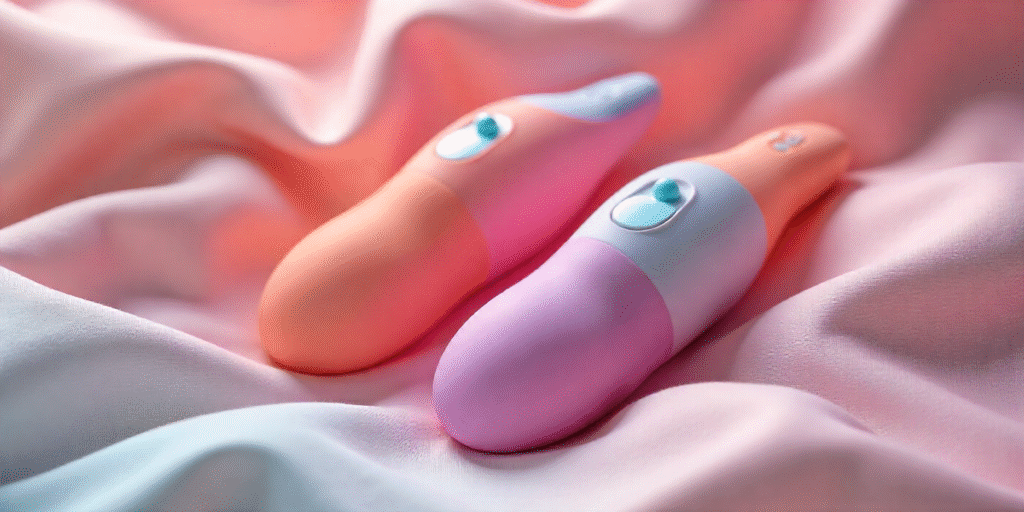
- Handheld vibration massagers / wands — portable devices with a handle and vibrating head or pad. Easy to aim at specific muscle groups or areas of the body. Suitable for home use and personal care.
- Pad-based vibration massagers — devices with flat or cushioned pads that you can rest against legs, back, or shoulders; used more for general relaxation or therapy.
- Percussive/vibration hybrids (“massage guns,” etc.) — though technically different (percussion adds pressure pulses), some devices marketed broadly may blur the lines between vibration and percussion therapy.
- Sex‑toy vibrators / wand‑style vibrators — designed for intimate or erotic use; they may resemble a “wand” (stick) or be shaped for internal or external stimulation.
- Wearable bands or portable devices — vibration bands or rollers that can be used on limbs or joints; more common in fitness or therapeutic settings.
Benefits of Using Sauvavibraattorit
Using a vibration device can offer a range of potential benefits depending on how and why it’s used. Some of the main advantages:
- Muscle relaxation and reduced tension — vibrations help loosen tight muscles, relieve stiffness, and reduce muscle tension without aggressive pressure.
- Improved circulation and tissue stimulation — the oscillations stimulate blood flow and improve exchange of oxygen/nutrients in tissues, which can support recovery and healing.
- Pain relief and stress reduction — vibration massage may help reduce pain, ease muscle soreness (e.g. after workouts), and contribute to relaxation and stress relief.
- Better flexibility and mobility — regular gentle vibration may help loosen tissues, increase joint mobility, and support recovery or warm‑up before physical activity.
- Convenience and accessibility — compared to a professional massage session, a handheld vibration device can be inexpensive, used at home, and applied any time you need quick relief or relaxation.
- Versatility — because of different designs, you can target muscles, joints, or — where appropriate — use for personal care or, in some cases, intimate stimulation.
Potential Concerns or Things to Know
While vibration devices can be beneficial, there are some caveats and considerations you should keep in mind:
- Quality matters: Many “consumer‑grade” massagers may be too weak to deliver real therapeutic effects; for meaningful muscle or circulation benefits, devices should be powerful enough (with adequate motor and amplitude).
- Risk of misuse: Overuse, too high intensity, or improper application may lead to discomfort, bruising, or even aggravate muscle or tissue issues.
- Not a one‑size‑fits‑all tool: People with certain health conditions (e.g. circulation problems, bone fragility, pregnancy, recent injuries) should consult a doctor before using vibration therapy.
- Confusion with stronger modalities: Some devices marketed aggressively (percussion guns, deep‑tissue massagers) are more intense than gentle vibration — and may be unsuitable for casual or medical‑style use.
- If used as intimate devices: Hygiene matters. Just like with any personal device — if “sauvavibraattorit” are used for sexual or intimate purposes — cleaning, safe materials, proper use, and consent are essential.
How to Choose the Right Sauvavibraattori
If you are considering buying or using a “sauvavibraattori” (i.e. a vibration device or massager), here are some key factors to guide your choice:
- Purpose: Are you buying it for muscle massage, relaxation, rehabilitation, or personal care? Your goal should guide the device type (handheld wand, pad, wearable, etc.).
- Power & effectiveness: Look for devices with strong motors and sufficient amplitude/frequency — weak “buzzers” may feel nice but offer little real benefit.
- Adjustability: Devices with multiple vibration speeds or intensity settings give flexibility depending on your needs (gentle relaxation vs deeper muscle work).
- Ergonomics / design: A comfortable handle or pad, ease of use, portability — especially if you plan to use it regularly or target different body parts.
- Safety & quality: Reliable materials, good build‑quality, and — for intimate use — easy-to-clean surfaces are important.
- Noise level: If you live with others or use the device at home regularly, lower noise might be a practical consideration.
- User instructions and precautions: Clear guidance on how long and how often to use it, and when to avoid use (e.g. health conditions).
Where Are Sauvavibraattorit Most Commonly Used?
Because vibration devices are so versatile, they are used in many settings:
- Homes: For everyday wellness — muscle relaxation after work, mild massage, stress relief, or general self‑care.
- Physical therapy / rehabilitation settings: To help with muscle recovery, loosen tight tissues, support healing, or improve mobility.
- Fitness and sports recovery routines: Athletes or active people using them for warm‑ups, cooldowns, or post‑workout recovery.
- Wellness and spa centers: As part of massage treatments, therapeutic sessions, or general relaxation services.
- Personal or intimate use (where applicable): In contexts where vibration devices are designed or marketed as vibrators for sexual or intimate stimulation.
Because the term “sauvavibraattorit” is ambiguous, you might see it used in any of these contexts — that’s why clarifying what type of device and what use is meant is important.
Frequently Asked Questions (FAQ)
Q: Is “sauvavibraattori” a standard, technical term?
A: No — it appears to be a colloquial or regional term (likely Finnish) used by some sellers or users. There is no recognized standard definition of “sauvavibraattorit” in medical or technical literature.
Q: Are vibration devices (massagers) effective?
A: Yes — when properly built and used, vibration massagers can help relieve muscle tension, improve circulation, support recovery, and promote relaxation.
Q: Are there risks with using them?
A: Like any therapy tool, misuse — excessive intensity or duration — or using them with contraindicated conditions (e.g. bone fragility, circulatory problems) may pose risks. It’s wise to start gently and follow manufacturer/health guidance.
Q: Can I use a vibration device daily?
A: For gentle relaxation or mild massage, occasional use (a few times per week) is generally considered fine. But overuse or high‑intensity use may lead to soreness or tissue irritation.
Q: If “sauvavibraattorit” includes sexual vibrators — are there special precautions?
A: Yes. Hygiene, material safety, consent, proper use, and correct cleaning matter — just as with any intimate device.
Conclusion: Is Sauvavibraattorit Right for You?
“Sauvavibraattorit” may sound mysterious — but in most cases, it refers to a vibration device: a massager or vibrator that uses mechanical vibrations to stimulate muscles, tissues, or (in some cases) sensory zones.
If you’re looking for a tool to relax muscles, improve circulation, relieve tension, or enhance general wellness, a well‑made vibration device can be a useful addition to your self‑care routine. If you consider using such a device, choose based on your needs: pick appropriate power, good ergonomics, and follow safety guidelines.