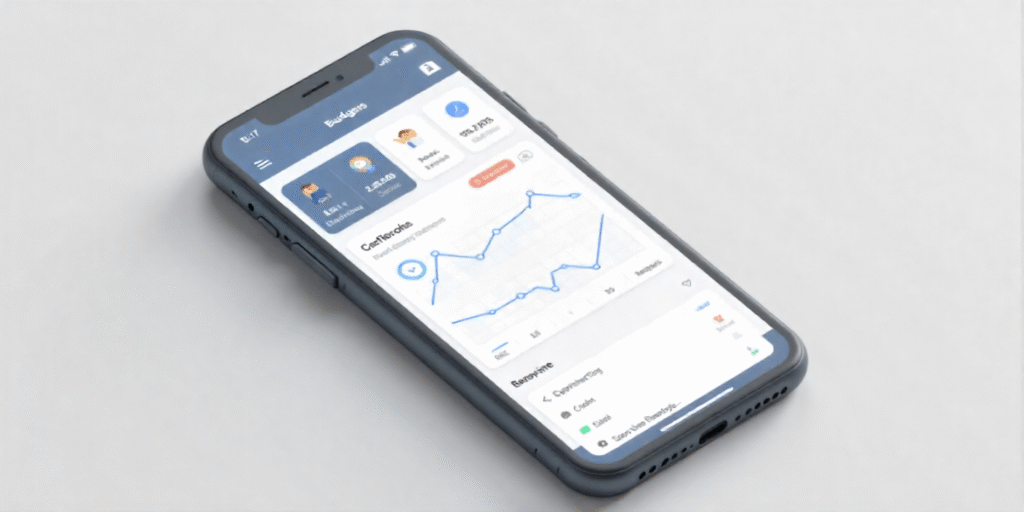

In 2026, the digital world is constantly evolving, and new terms and concepts are always popping up. One such term that has caught attention is Instanomy. If you’ve stumbled across it, you might be wondering: What is Instanomy, and why is it starting to gain attention? Despite its growing mention across various platforms, Insta nomy remains a somewhat ambiguous term. In this post, we will critically examine the meaning of Instanomy, explore its possible uses, and look at the current state of the concept — including the challenges and uncertainties surrounding it.
What Is Instanomy and Why It Matters in 2026?
The term Instanomy appears to have gained traction mainly through niche blogs, social media discussions, and forums. It doesn’t have a single, universally accepted definition yet. From what we can gather, Instanomy is being associated with various ideas: some claim it is a cultural trend driven by the need for instant access to information or experiences, while others argue it refers to a tool or platform that allows users to instantly view or interact with content in a streamlined manner.
The buzz around Insta nomy seems to come from its perceived connection to speed, simplicity, and digital engagement. It taps into the broader shift in digital culture — where immediacy and efficiency are key drivers. With the rise of short-form content and faster communication, Instanomy could be positioning itself as a response to the overwhelming pace of modern life in 2026.
However, without a clear and widely accepted definition, it’s hard to pin down exactly what Instanomy represents. We know that people are talking about it, but the real meaning is still in flux.
The Origin and Evolution of Instanomy
The origin of Instanomy remains unclear. It doesn’t have a well-documented history like some other digital terms (such as “influencer” or “memes”). Some sources suggest it was first coined to describe a trend of instant communication, where people prioritize quick, accessible interactions over deeper engagement. Over time, this concept seems to have expanded, with some using the term to describe an ideal lifestyle of rapid consumption — of content, trends, and ideas.
However, this is where things get tricky. Different blogs and posts offer conflicting definitions, and no authoritative source has claimed ownership of the term. This makes it difficult to trace its true origins, leaving us with a concept that’s still in development. Is it a genuine cultural shift, or merely an overhyped buzzword?
How Instanomy Works: A Simple Explanation
If we look at how Instanomy is used in conversation, we see a pattern of thought: instantaneous consumption and minimal effort. For instance, the idea of engaging with content without delays or needing significant prior knowledge fits the bill. Platforms like TikTok and Instagram are often cited as digital spaces where Instanomy might thrive — where users can consume or engage with bite-sized pieces of content quickly and with little cognitive load.
Essentially, the idea behind Insta nomy seems to be one of rapid access — whether to information, entertainment, or social interactions. It’s about getting what you need immediately without the effort traditionally associated with deeper dives into topics or interactions. This focus on instant gratification and immediate results is a hallmark of today’s digital environment, but Instanomy itself is still an evolving idea.
Key Features and Characteristics of Instanomy
From the available discussions, we can tentatively list a few features that could define Insta nomy:
- Immediacy: The concept revolves around the idea that information, experiences, or content should be accessible instantly, without delays.
- Simplification: Instanomy often implies minimal effort for maximum results — quick, efficient, and without unnecessary complexity.
- Digital-centric: It’s deeply connected to social media, mobile technology, and other digital platforms that emphasize speed and ease of access.
These features are characteristics commonly seen in modern digital behavior, especially with platforms that prioritize user engagement through instant access to information.
Top Uses of Instanomy in 2026
While Insta nomy is still taking shape, its most common use cases seem to center around:
- Social Media and Content Creation: Short-form videos, memes, and images that offer quick, digestible content perfectly fit the Instanomy mold. Social media influencers and creators are adapting to this by producing engaging content that demands minimal effort from the audience.
- Branding and Marketing: Brands are capitalizing on the need for immediacy by offering quick solutions, instant promotions, and fast responses to customer queries.
- Learning: Instanomy could even extend to education, where bite-sized learning modules and instant feedback are becoming more popular.
However, since Insta nomy is not yet widely standardized, its true potential in these areas is still under exploration.
Who Uses Instanomy the Most? (Influencers, Marketers, Creators)
Based on its current usage, it’s clear that Insta nomy appeals most to:
- Influencers who thrive on creating easily digestible, quick content.
- Marketers who leverage speed to create instant consumer engagement and interaction.
- Content Creators who aim to create engaging material that can be consumed on the go.
This trend seems to cater to a generation that values speed and efficiency, and it’s particularly popular among younger audiences who are accustomed to fast-paced digital experiences.
Benefits of Understanding and Using Instanomy
If you’re a marketer, influencer, or content creator, understanding the concept of Insta nomy could be beneficial for several reasons:
- Increased engagement: Embracing immediacy can lead to better engagement with audiences who want quick and easy content.
- Simplified communication: Instanomy encourages clear, simple messaging, making it easier for people to understand your content quickly.
- Digital growth: By adopting Instanomy principles, businesses can align with modern digital trends and connect with fast-moving consumers.
However, caution is required as the concept itself is still undefined, and it may not be suitable for every brand or content strategy.
Challenges and Misconceptions About Instanomy
While Insta nomy seems like an exciting new trend, there are a few challenges and misconceptions:
- Over-simplification: Some argue that focusing too much on immediacy can undermine the depth and quality of content.
- Misuse of the term: Given that “Instanomy” is still undefined, many people use it interchangeably with other trends, leading to confusion.
Ultimately, the lack of clarity surrounding Insta nomy presents a challenge for those trying to integrate it into their strategies.
Future Trends of Instanomy (2026 & Beyond)
What’s next for Insta nomy? The future seems to suggest that:
- Increased integration with AI: As technology advances, we might see more automation in delivering instant content.
- New formats for content: Shorter and even more condensed content could become the norm.
- Deeper cultural integration: Instanomy could become synonymous with how we expect our digital interactions to function — always fast, efficient, and minimal effort.
However, since the term itself is still evolving, predicting its exact future is challenging.
Tips to Make the Most of Instanomy in 2026
For marketers, creators, and brands looking to capitalize on Insta nomy:
- Prioritize speed and simplicity: Focus on delivering quick, clear, and engaging content.
- Adapt to new formats: Keep an eye on emerging platforms that offer instant engagement (TikTok, Instagram Stories, etc.).
- Experiment with automation: Use tools that can provide instant content delivery without sacrificing quality.
Real-Life Examples of Instanomy in Action
While Insta nomy as a defined concept is still developing, examples of its potential can be seen in Instagram Stories, TikTok, and Snapchat, where users can instantly consume content, react, and share within seconds. Brands like Nike and Coca-Cola also use rapid, engaging content to capture attention immediately, which aligns with the idea of Instanomy.
Conclusion
Instanomy is a concept that holds promise but is still in its infancy. While the term is gaining attention, its true meaning and impact remain unclear. For now, it represents a shift towards instant engagement and consumption in the digital world — a trend that aligns with the fast-paced nature of online culture. Whether it will become a lasting trend or fade into obscurity remains to be seen.


Pingback: How to Identify Bundesliga Teams That Are Entering a Poor Run of Form
Pingback: Ameliadennis16 in 2026: Complete Guide to Meaning, Uses, and Future Trends