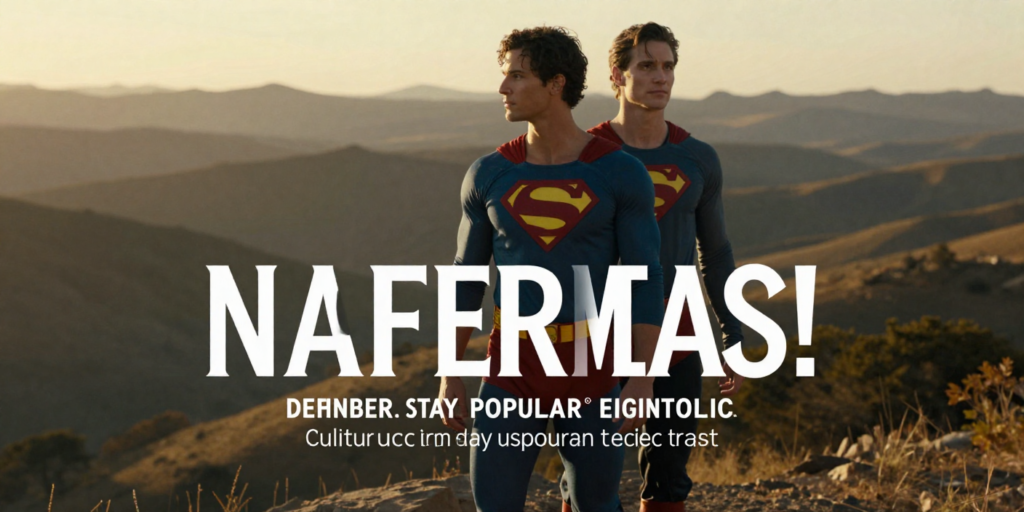

Superheroes are everywhere; in movies, TV shows, video games, and online worlds that millions return to daily. Despite shifting entertainment trends, these stories remain popular, not just for flashy action or special effects, but because the characters and their journeys feel meaningful and relatable.
Modern superhero stories often move beyond a single all-powerful hero. They highlight teams, sidekicks, and ordinary people trying to do the right thing, making the narratives feel more human and grounded, even in worlds of impossible powers. Examining how superheroes have evolved in today’s digital entertainment shows why they still resonate with audiences.
They’re Infinitely Adaptable
Superheroes stay popular because the concept is easy to reshape. It can be serious, funny, mysterious, or dark, but the core remains the same: someone with special abilities trying to do the right thing. That flexibility keeps the genre fresh.
This adaptability shows up in games, too. Powers translate into simple, fun actions, with speed, flight, shields, and gadgets all easy to turn into gameplay. Some games focus on story and character growth, like Marvel’s Spider-Man. Others, such as Flyx Party, emphasize quick rounds, teamwork, and playful competition.
The superhero idea also scales well. It can handle epic world-threatening challenges or focus on smaller, personal stories. In both cases, the appeal remains strong, which is why superheroes continue to thrive in modern digital entertainment.
Digital Platforms Love Ongoing Universes
Digital platforms are built for stories that do not end after one installment. Streaming, especially, rewards “always on” storytelling, where seasons lead into new seasons, and characters move into spinoffs. Event episodes and post-credit teases also help, because they create anticipation and give audiences a reason to keep going.
There is also a practical business reason shared universes work so well. Recognizable characters reduce discovery friction, since people are more likely to press play on a name they already know than take a risk on something unfamiliar. When that character appears across multiple titles, the universe creates repeat engagement, because each new entry feels connected to what came before.
Over time, this creates what can be called content gravity. A shared world pulls attention inward, since audiences stay within the same ecosystem to follow the next chapter, the next crossover, or the next supporting character. This is one of the biggest reasons superheroes remain popular in modern digital entertainment: the universe’s structure aligns with how digital platforms are designed to keep viewers engaged.
Spectacle Is Highly Shareable
Superheroes are built for big, clear moments that grab attention fast. A dramatic entrance, a power reveal, or a visually striking fight scene can make sense even without the rest of the story. Because the images are bold and easy to recognize, people remember them and pass them along.
These moments spread quickly because they fit how digital entertainment is consumed and discussed. Short clips, screenshots, and highlight scenes become go-to references that help keep a character or franchise visible. Even when someone has not watched the whole show or film, the spectacle can pull them in and spark curiosity.
Fandom Communities Amplify Hype
Fandom communities make superhero worlds feel alive long after an episode ends or a film credits roll. People gather to react, compare interpretations, and celebrate favorite characters, including sidekicks and supporting cast members who might not get as much spotlight in the main story. That shared attention keeps the whole universe active, not just the top hero.
They also deepen engagement by rewarding curiosity and rewatching. Fans track connections, notice small details, and build theories that help others see the story in new ways. When audiences feel like there is always something more to catch, the entertainment becomes more than a one-time watch.
Most importantly, fandom spreads excitement beyond the original audience. Creative work like fan art, edits, cosplay, and discussions travels widely and pulls new people in through community energy rather than marketing. That constant conversation keeps superheroes present in digital spaces, which is a big reason the genre stays popular over time.
Merch And Visuals Keep Characters Recognizable
Superheroes are designed to be instantly recognizable. A symbol on a chest, a specific mask shape, or a signature color pattern can identify a character in a split second. That visual clarity helps superheroes stand out in crowded screens and fast-moving feeds.
Merchandise reinforces that recognition by keeping those symbols in everyday life. Shirts, toys, posters, phone cases, and collectibles turn characters into familiar icons, even for people who are not following every new release. The result is a strong mental “branding” that makes it easy to jump back into a superhero story later.
These visuals also support the shift from superpowers to sidekicks. When supporting characters have distinct costumes or symbols, they become memorable in their own right. That makes it easier for audiences to latch onto teams and friendships, not just the main hero.
Where Superheroes Go Next
Superheroes will continue to evolve as digital entertainment evolves. More stories will focus on teams, sidekicks, and everyday allies, not just the main hero.
Superhero worlds will also continue to expand across formats such as live-action, animation, and games. The best ones will feel new by changing the tone and style while keeping the hero idea familiar. Superheroes will stay popular as long as they balance big powers with human stories.