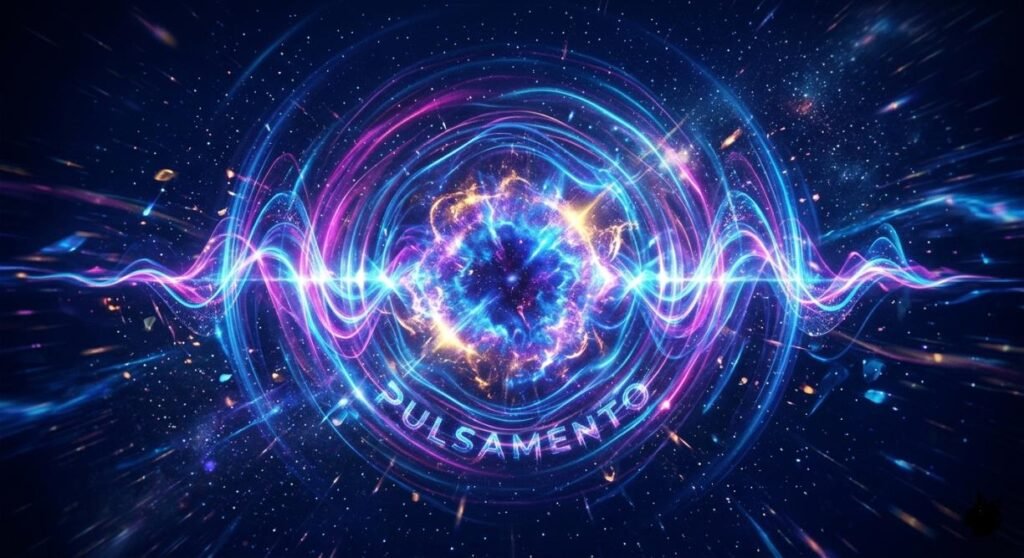

Pulsamento is a concept often used in music and rhythm to describe the continuous internal flow that gives structure and life to sound. Although it is not a strictly defined academic term in most formal music theory systems, it is widely used in artistic and musical discussions to explain the underlying pulse that organizes rhythm and musical movement. In simple terms, it can be understood as the hidden heartbeat of music. It is the steady rhythmic energy that connects beats together and gives a sense of direction and flow to sound.
Why the Term Pulsamento Matters
It matters because it helps explain how music feels rather than just how it is structured. Many people focus only on beats or lyrics when listening to music, but it reveals the deeper flow that shapes the entire experience. For musicians, understanding it improves timing, coordination, and emotional expression.
What Is Pulsamento?
It refers to the continuous rhythmic pulse that forms the foundation of musical structure. It is not a single beat or a repeated sound pattern, but rather an ongoing flow that supports rhythm and gives music its sense of movement. It can be compared to the human heartbeat. Just as the heart continuously pumps blood to maintain life, Pulsamento continuously drives rhythm to maintain musical flow.
Simple Meaning of Pulsamento
In simple terms, it means the steady internal pulse that keeps music flowing smoothly. It is the feeling of movement that exists behind every rhythm, whether fast or slow.
Basic Definition for Beginners
For beginners, it can be understood as the invisible structure that organizes musical timing. It is not always directly heard, but it is always present. It helps musicians stay in sync and allows listeners to follow the natural flow of sound without confusion.
Where the Term Is Commonly Used
The concept of is commonly used in music practice, rhythm training, percussion studies, and dance performance. It is also used in artistic and creative discussions to describe flow, timing, and movement in sound. In many cases, it is used as a way to explain how music feels internally rather than how it is measured technically.
Pulsamento in Music and Rhythm
In music, it plays a central role in shaping rhythm and structure. It acts as the foundation that supports all musical elements and ensures that everything remains connected in time.
Role of it in Musical Structure
It serves as the underlying structure of musical timing. While melody creates emotional expression and harmony adds depth, Pulsamento ensures that everything stays organized and synchronized. It provides stability so that musicians can perform together smoothly without losing timing.
How it Connects to Beat and Tempo
It is closely related to both beat and tempo, but it is not the same as either. Beat refers to individual units of rhythm that can be counted. Tempo refers to the speed at which music is played. Pulsamento, however, is the continuous flow that connects these elements and keeps them unified.
Emotional Effect of Pulsamento in Music
It has a strong emotional influence on music. A steady and balanced song can make a song feel calm, stable, and natural. When it varies or intensifies, it can create tension, excitement, or emotional depth. This is why music often feels more powerful when the rhythm flows naturally rather than feeling mechanical or rigid.
Origin and Concept of Pulsamento
The idea is closely connected to the concept of “pulse” or “pulsation,” which appears in many languages and artistic traditions. It is commonly used in musical contexts to describe rhythmic energy and movement.
Linguistic or Cultural Background
The word structure of Pulsamento suggests roots in Latin-based linguistic systems where similar terms are used to describe pulsing motion or rhythmic action. Over time, this idea has been adopted in music and creative discussions to describe the internal flow of rhythm.
How the Concept Developed Over Time
Although it is not a strictly defined technical term in formal music theory, it has developed as a practical concept used by musicians, teachers, and performers. It is often used to explain rhythm in a more intuitive way, focusing on how music feels rather than just how it is measured.
Key Characteristics of Pulsamento
It has several important characteristics that make it different from simple rhythm or beat. One of its main features is continuity. It flows constantly without interruption, creating a sense of movement that supports musical structure.
Another key characteristic is its connection to physical and emotional response. It is not only something that is heard but also something that is felt through body movement and emotional reaction. This is why people often move naturally to music without consciously thinking about timing.
Real-Life Examples of Pulsamento
Pulsamento can be observed in many real-life musical and natural situations. In music, it is often present in background rhythms created by percussion instruments, bass lines, and steady rhythmic patterns. Even when melodies change or instruments shift, the underlying structure remains constant.
In dance, it is equally important. Dancers rely on rhythmic flow to synchronize their movements with music. They may not count beats directly, but they naturally follow the internal pulse of the rhythm.
Pulsamento vs Related Musical Terms
To understand clearly, it is important to compare it with other musical concepts. Rhythm refers to structured patterns of sound and silence. It refers to the continuous flow that supports those patterns.
Tempo describes the speed of music, while represents the internal consistency that maintains timing. Beat refers to individual units of rhythm that can be counted, while it is the ongoing energy that connects those beats into a unified flow.
Importance of Understanding Pulsamento
Understanding it helps both musicians and listeners experience music more deeply. For beginners, it improves rhythm awareness and helps them feel timing naturally instead of relying only on counting.
For musicians and composers, it improves coordination, performance quality, and emotional expression. It allows them to create music that feels more natural and engaging.
Final Verdict
Pulsamento is a fundamental concept that represents the hidden rhythmic pulse behind music. It connects beats, supports tempo, and brings emotional life to sound. Although it may not always be directly visible or formally defined, it is always present in musical experience. Understanding it allows you to experience music in a deeper way, where you do not just hear sound but also feel its movement, structure, and emotional energy.
FAQs About Pulsamento
What does pulsamento mean?
It refers to the continuous rhythmic pulse that supports and drives musical flow.
Is it a music term?
It is used in music-related discussions to describe rhythm flow and internal pulse, especially in expressive contexts.
How is it used in songs?
It appears in background rhythms, steady beats, and timing structures that keep music flowing smoothly and consistently.