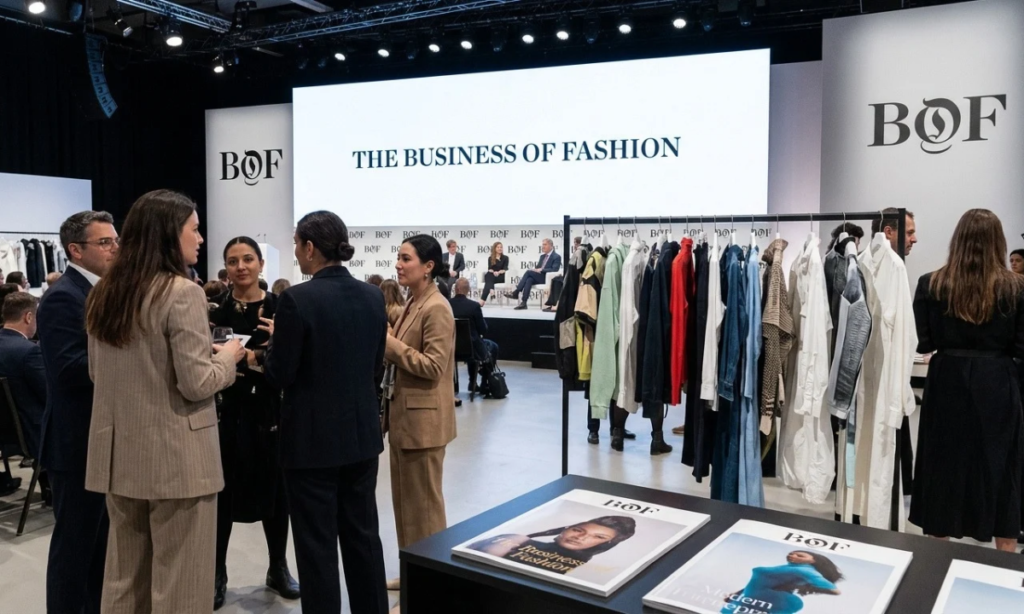

The Business of Fashion is much more than designing and selling clothes. Behind every fashion brand is a combination of creativity, customer research, product development, pricing, marketing, technology, supply chains, and financial planning. A successful fashion company needs to understand what customers want while also creating products that can be produced, marketed, and sold profitably.
Today, the fashion industry is changing quickly. Digital shopping, social media, artificial intelligence, resale, sustainability, and changing consumer expectations are influencing how brands operate. McKinsey and The Business of Fashion identify technology, value-conscious consumers, resale, and operational efficiency among important themes shaping fashion in 2026.
What Is the Business of Fashion?
The Business of Fashion describes the commercial activities involved in creating, producing, promoting, distributing, and selling fashion products. It includes clothing, footwear, accessories, luxury products, and many services connected to the fashion industry.
A fashion business connects creativity with commerce. Designers develop products, manufacturers produce them, marketers promote them, retailers sell them, and customers decide whether they provide enough value to purchase.
Why the Fashion Industry Is a Major Business
Fashion is a global industry involving brands, suppliers, manufacturers, retailers, logistics companies, technology providers, marketers, and consumers. The industry also faces constant changes in demand. Customers may change their preferences, spending habits, and shopping channels quickly. McKinsey’s 2026 fashion outlook describes a challenging environment involving economic uncertainty, changing consumer priorities, technological disruption, and pressure on business performance.
Who Is Involved in the Fashion Business?
Many different participants contribute to the Business of Fashion. Designers and product developers create collections, while suppliers and manufacturers provide materials and production capabilities. Logistics companies transport products, and retailers connect products with consumers.
Digital platforms have also become important. Ecommerce websites, social media platforms, payment systems, customer-data tools, and digital marketing services influence how fashion brands reach shoppers.
How Do Fashion Brands Build Their Businesses?
Creating a Strong Brand Identity
A strong brand identity helps customers recognize and understand a fashion company. It can include the brand name, logo, visual style, product design, packaging, communication style, and overall customer experience. A clear identity can also help a company stand apart from competitors selling similar products. Successful branding connects what a company sells with the type of customer it wants to attract.
Understanding the Target Customer
Fashion businesses need to know who their products are designed for. Customer research can consider lifestyle, spending habits, preferences, shopping behavior, and product needs. This information can influence product design, pricing, marketing, and sales channels. A premium fashion company, for example, may have very different customers and expectations from an affordable everyday clothing brand.
Developing Products That Meet Market Demand
Creative ideas need to be matched with customer demand. Fashion brands can study market trends, customer feedback, sales data, and competitor offerings when developing products. Producing the right amount of inventory is also important. Too little stock can result in missed sales, while too much can create excess inventory and discounting pressure. A strong product strategy therefore balances creativity, customer needs, production capabilities, and commercial expectations.
Setting the Right Pricing Strategy
Pricing influences both customer perception and business profitability. Fashion companies need to consider materials, manufacturing, transportation, marketing, retail expenses, and other operating costs. Different segments use different pricing strategies. Luxury brands may emphasize exclusivity and craftsmanship, while mass-market companies may focus on accessibility and volume. The right price needs to fit the brand’s positioning while remaining commercially sustainable.
Key Business Models in the Fashion Industry
Direct-to-Consumer Fashion Brands
Direct-to-consumer, or DTC, brands sell products directly to customers through channels such as their own websites and physical stores. The model gives companies greater control over the customer relationship and access to information about orders and shopping behavior. However, the company also has to manage marketing, fulfillment, customer service, and returns.
Wholesale and Retail Fashion
Wholesale allows fashion brands to sell products to other businesses, including department stores, boutiques, and other retailers. Those retailers then sell products to consumers. This model can help brands reach established customer networks, but it requires careful management of wholesale relationships, orders, delivery schedules, and inventory. Many modern fashion businesses combine wholesale with direct sales rather than relying on one channel alone.
E-Commerce and Online Fashion Stores
E-commerce has become an important part of the fashion industry. Customers can discover and purchase clothing through brand websites, marketplaces, social commerce, and other digital channels. Online stores also give brands opportunities to provide detailed product information, communicate with customers, and analyze shopping behavior.
Luxury and Premium Fashion Businesses
Luxury and premium brands often compete through craftsmanship, design, brand reputation, exclusivity, and customer experience. The luxury market is also changing. McKinsey’s 2026 fashion research highlights renewed attention to creativity, craftsmanship, storytelling, and customer trust. This shows that even established brands need to adapt when customer expectations and market conditions change.
The Role of Marketing in Fashion Business
Social Media Marketing
Social media gives fashion brands a visual way to present products, introduce collections, communicate with customers, and build communities. Platforms can also provide opportunities for customer-generated content and conversations around products. However, effective social media marketing requires content that fits the brand’s identity and target audience.
Influencer and Creator Marketing
Influencers and creators can introduce products to established audiences through styling content, product demonstrations, reviews, and collaborations. The relationship works best when the creator’s audience and content naturally fit the brand. A relevant partnership can make a product introduction feel more authentic than a campaign with little connection to the creator.
Fashion Advertising and Campaigns
Advertising allows brands to communicate product information and brand messages through paid channels, including digital advertising, video, print, outdoor advertising, and other media. A successful campaign should have a clear purpose. It might introduce a collection, highlight a product, communicate a seasonal theme, or strengthen brand recognition.
Building Customer Loyalty
Customer loyalty helps brands develop longer-term relationships with shoppers. Product quality, customer service, useful communication, rewards, and consistent experiences can all support retention. McKinsey’s 2026 fashion research identifies customer retention as an important industry focus as brands work to strengthen relationships with consumers.
How Fashion Brands Use Technology
E-Commerce and Digital Shopping
Technology has changed how customers discover and purchase fashion. A customer may find a product through a search engine, social media, marketplace, brand website, or digital recommendation. Fashion businesses therefore need digital systems that connect shopping with inventory, payments, fulfillment, and customer support.
Data and Customer Insights
Customer data can help fashion brands understand which products receive attention, what customers purchase, and where shoppers leave the buying process. These insights can support decisions involving product development, marketing, inventory, and customer experience. Data does not replace creative judgment, but it can provide useful evidence for business decisions.
Artificial Intelligence in Fashion
Artificial intelligence is becoming increasingly relevant to fashion. Potential applications include product recommendations, search, content creation, forecasting, digital styling, and customer service. IBM has demonstrated an AI personal-stylist project capable of analyzing wardrobe items and generating outfit suggestions. McKinsey also identifies AI-assisted shopping and discovery as important developments for the fashion industry.
Virtual Experiences and Digital Fashion
Virtual styling, digital showrooms, interactive product experiences, and other technologies can provide new ways for shoppers to explore fashion products. The value of these technologies depends on whether they improve the customer journey. Useful digital experiences should make discovery, personalization, comparison, or purchasing easier rather than simply adding complexity.
Sustainability and the Business of Fashion
Sustainable Materials and Production
Sustainability has become an important consideration because fashion depends on large networks of materials, manufacturing, transportation, and distribution. UNECE reported that global fiber production reached 132 million tonnes in 2024, with polyester representing around 60% of fibers. These figures demonstrate the scale of material use in the sector.
Reducing Waste in Fashion
Fashion businesses can address waste through better inventory planning, longer-lasting products, repair, reuse, recycling, and resale. Resale is particularly important. McKinsey’s 2026 fashion research expects the secondhand fashion and luxury market to continue growing faster than the firsthand market through 2027. This creates opportunities for businesses to explore circular models alongside traditional fashion sales.
Ethical Supply Chains
Fashion supply chains can involve numerous suppliers and production locations. Understanding where materials originate and how products are made is therefore increasingly important. UNECE identifies transparency and traceability as important tools for managing environmental and social impacts across garment and footwear value chains.
Consumer Interest in Sustainable Fashion
Consumer interest in sustainability has encouraged fashion brands to examine environmental and social practices more closely. However, sustainability claims should be supported by credible information. Clear evidence about materials, production, and supply-chain practices can help brands communicate responsibly.
Challenges in the Fashion Business
Changing Consumer Trends
Fashion preferences can change quickly. Products that attract attention today may experience weaker demand later. McKinsey’s 2026 research notes that consumers are increasingly focused on value and changing how they spend discretionary income. Fashion businesses therefore need to monitor customer behavior and respond without constantly abandoning their core identity.
Competition and Market Pressure
Fashion companies compete for customers, attention, retail space, and online visibility. Competition can come from established brands, independent designers, digital-first companies, marketplaces, and resale businesses. McKinsey notes that fashion companies are also facing pressure on margins, making efficiency and differentiation increasingly important.
Supply Chain Challenges
Fashion businesses can be affected by material availability, transportation costs, production disruptions, trade policies, and changes in global markets. McKinsey’s 2026 research discusses trade changes and tariffs as factors that have required fashion companies and suppliers to adjust their operations. Better supply-chain visibility and careful inventory planning can help businesses respond to disruption.
Managing Costs and Profitability
High sales do not automatically mean high profits. Fashion companies need to manage production costs, marketing, staffing, logistics, technology, inventory, returns, and other expenses. Frequent discounting can also reduce margins and affect how customers perceive product value. A sustainable fashion business therefore needs to balance growth with cost control and profitability.
How to Build a Successful Fashion Business
Researching the Market
Market research can help entrepreneurs understand customers, competitors, price levels, distribution channels, and potential opportunities. Research does not mean copying competitors. Instead, it helps identify unmet needs and build a product or service around a clear opportunity.
Defining a Clear Brand Position
Brand positioning explains what a company offers, who it serves, and what makes it distinctive. A business might focus on affordable basics, premium craftsmanship, sportswear, sustainable products, or a specific lifestyle. A clear position helps align products and marketing.
Creating a Strong Business Plan
A business plan can outline the target market, products, pricing, sourcing, sales channels, marketing strategy, operating expenses, and financial expectations. It should also address inventory and fulfillment because production decisions can have a major effect on cash flow and profitability.
Focusing on Customer Experience
Customer experience covers the complete journey from product discovery to purchase, delivery, returns, and after-sales support. Accurate product information, convenient purchasing, reliable delivery, clear communication, and helpful customer service can all contribute to a positive experience.
Measuring Performance and Adapting
Fashion brands can track metrics such as sales, conversion rates, repeat purchases, inventory turnover, return rates, customer acquisition costs, and profitability. The most useful measurements depend on the business model and goals. Adaptation is particularly important as technology, consumer behavior, and market conditions continue to change.
The Future of the Business of Fashion
Emerging Fashion Trends
The future of fashion will be shaped by changing consumer expectations, resale, technology, sustainability, and new approaches to value. McKinsey’s 2026 research highlights AI-enabled shopping, resale growth, changing luxury strategies, and value-conscious consumers among significant developments.
Growth of Online Fashion
Online fashion is expected to remain an important part of the industry as customers continue using digital channels for discovery and purchasing. Brands need strong digital product information, reliable ecommerce systems, effective fulfillment, and marketing strategies that work across multiple platforms.
Technology and Innovation
Technology is influencing fashion across product development, marketing, customer service, ecommerce, and operations. Artificial intelligence is one of the most visible developments, with potential applications in product discovery, personalization, content, forecasting, and business productivity.
Opportunities for Fashion Entrepreneurs
The changing Business of Fashion creates opportunities beyond traditional clothing brands. Entrepreneurs can explore niche fashion businesses, resale, sustainable products, fashion technology, digital commerce, content creation, repair, personalization, and specialized services.
The best opportunity for a particular entrepreneur will depend on customer demand, resources, competition, execution, and the ability to build a sustainable business model. The Business of Fashion continues to evolve as technology, customer expectations, sustainability, and commercial models change. Successful brands need to combine creative thinking with practical business management.
Conclusion
The Business of Fashion combines creativity, customer understanding, branding, marketing, technology, and strong business management. Building a successful fashion brand requires more than creating attractive products.
Companies also need to understand their target customers, choose suitable business models, manage costs, build strong relationships, and respond to changing market conditions. Technology, ecommerce, sustainability, resale, and artificial intelligence are creating new opportunities while also introducing new challenges.
FAQs
Q1. What Is the Business of Fashion?
Ans: The Business of Fashion covers the commercial side of creating, producing, marketing, distributing, and selling fashion products. It connects creativity with branding, customer demand, technology, operations, and business strategy.
Q2. How Do Fashion Brands Make Money?
Ans: Fashion brands can generate revenue through direct sales, ecommerce, wholesale, retail stores, and other business models. Their profitability depends on pricing, demand, costs, inventory management, and customer retention.
Q3. Why Is Branding Important in the Business of Fashion?
Ans: Strong branding helps a fashion company create a recognizable identity and communicate its value to customers. A clear brand position can also help a business differentiate itself in a competitive market.
Q4. How Is Technology Changing the Business of Fashion?
Ans: Technology is changing fashion through ecommerce, customer data, artificial intelligence, digital marketing, and personalized shopping experiences.
Q5. What Is the Future of the Business of Fashion?
Ans: The Business of Fashion is expected to continue evolving through technology, ecommerce, sustainability, resale, and changing consumer preferences.